
Highlights
- Meta is reportedly developing a “Name Tag” facial recognition feature for Ray-Ban smart glasses.
- CEO Mark Zuckerberg is pushing it to differentiate Meta’s wearables, though rollout details remain undecided.
- The glasses may only recognise individuals connected through Meta platforms or public accounts.
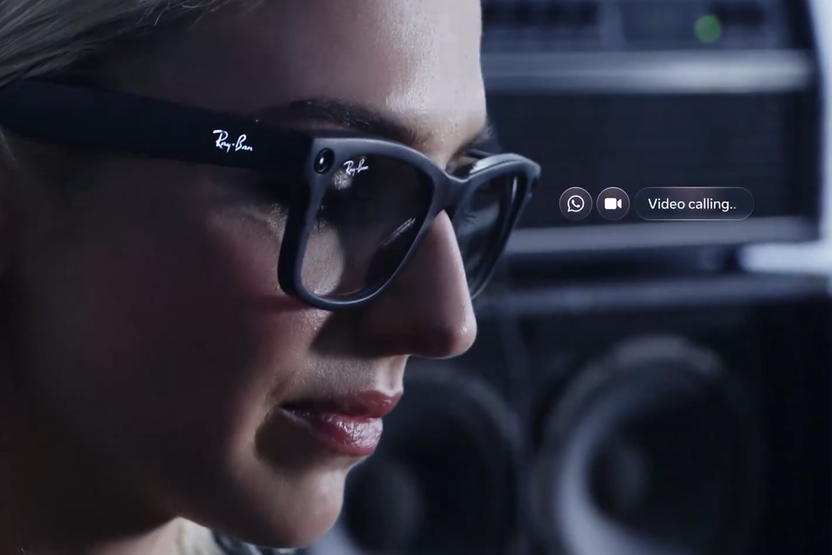
Meta Smart glasses. (Image credit – Meta)
Meta is reportedly preparing to introduce a facial recognition capability for its Ray-Ban smart glasses, potentially as early as this year. According to a report by The New York Times, the feature is internally known as “Name Tag” and is designed to identify individuals and provide information about them through Meta’s AI assistant.
Sources familiar with the matter told the publication that CEO Mark Zuckerberg is pushing for the feature as a way to differentiate the company’s wearable devices and enhance the usefulness of the built-in artificial intelligence assistant.
Facial Recognition Feature on Meta Smart Glasses
An internal document reviewed by The New York Times indicates that Meta has been discussing the release of the Name Tag feature since early last year. The document, dated May, reveals that the company initially considered launching the feature at a conference for blind attendees before making it available to the general public. That plan ultimately did not move forward.
The same memo also referenced the “political tumult” in the United States as potentially favourable timing for a rollout
As quoted by NYT from the document originating from Meta’s Reality Labs division, “We will launch during a dynamic political environment where many civil society groups that we would expect to attack us would have their resources focused on other concerns.”
Meta is still reportedly deciding who should be identifiable through Name Tag. Options under consideration include recognising individuals connected to a user via Meta platforms, as well as people with public accounts on services like Instagram. However, the feature is not expected to allow users to look up every person they encounter.
In a statement to The New York Times, Meta said, “We’re building products that help millions of people connect and enrich their lives. While we frequently hear about the interest in this type of feature – and some products already exist in the market – we’re still thinking through options and will take a thoughtful approach if and before we roll anything out.”
Meta’s Previous Attempts at Facial Recognition
This is not the first time Meta has explored integrating facial recognition into consumer hardware. Reports suggest that technical hurdles and ethical considerations prevented the feature from being included in the first generation of Ray-Ban smart glasses.
Meta’s Ray-Ban smart glasses have previously been involved in a viral facial recognition experiment. In 2024, two Harvard students combined the glasses with the PimEyes facial recognition service to identify strangers on a Boston subway, later sharing a video of the test online.
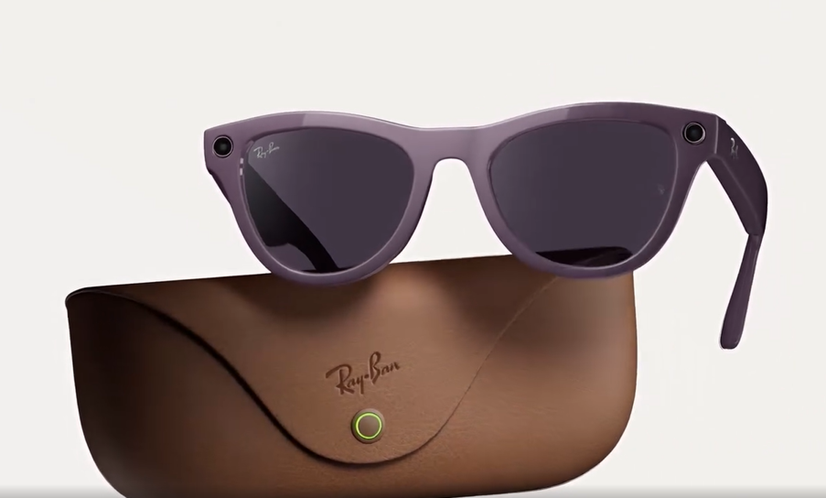
In response, Meta highlighted that the glasses include a small white LED indicator on the top-right corner of the frame to signal when recording is in progress.
The company is also reportedly developing more advanced “super-sensing” glasses capable of continuously running cameras and sensors to log a user’s daily activities.
Meanwhile, competition in the smart glasses space is intensifying. A report from Bloomberg last year suggested that Apple is planning to introduce its own smart glasses by the end of this year. The upcoming device is said to rival Meta’s Ray-Ban models and Android XR glasses, while offering superior build quality.
FAQs
Q1. What is Meta’s “Name Tag” feature for Ray-Ban smart glasses?
Answer. “Name Tag” is a facial recognition capability being tested by Meta to identify individuals and provide information through its AI assistant.
Q2. Who would be identifiable through the Name Tag feature?
Answer. Meta is considering limiting recognition to people connected via Meta platforms or those with public accounts on services like Instagram, rather than every person encountered.
Q3. Has Meta tried facial recognition in its smart glasses before?
Answer. Yes. Technical and ethical challenges prevented inclusion in the first generation, though experiments like the 2024 PimEyes subway test showed its potential and sparked debate.