Highlights
- YouTube’s auto dubbing now covers 27 languages globally, with over six million viewers engaging daily with dubbed content.
- New features include Expressive Speech for natural audio, a Preferred Language option for viewers, and a Lip Sync pilot.
- Updates add Smart Filtering to avoid unsuitable dubbing, while creators retain full control to upload their own tracks or disable auto dubbing.
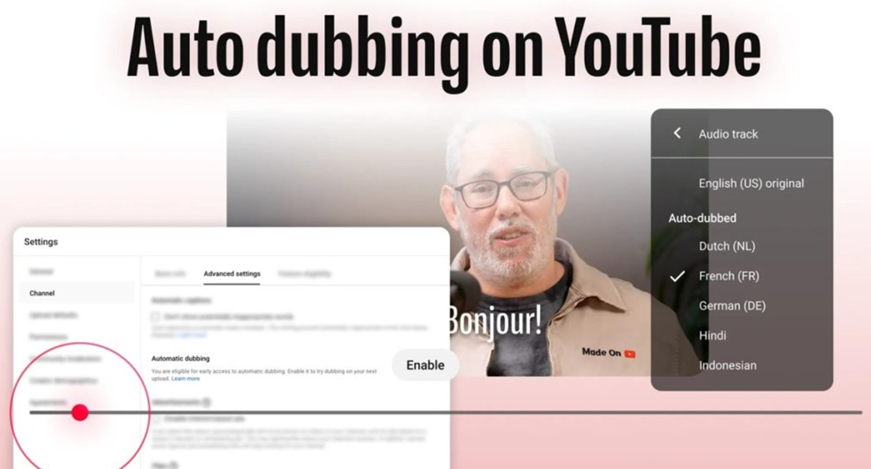
YouTube expands auto-dubbing feature. (Image credit – YouTube)
YouTube has rolled out a major update to its auto dubbing feature this week. The platform is introducing broader language support and new tools designed to improve the multilingual viewing experience for both audiences and creators. According to Chandralekha Motati, Product Manager at YouTube, the latest changes focus on making dubbed videos sound more natural, giving viewers greater control, and offering creators improved management options. Here’s more on that.
YouTube Auto Dubbing Now Supports 27 Languages
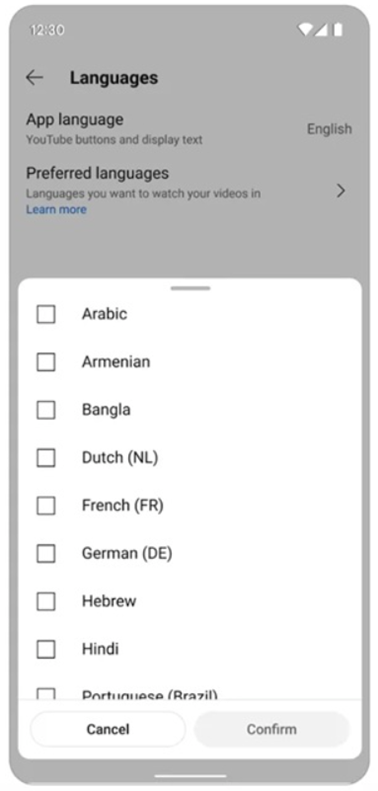
YouTube’s auto dubbing feature now supports 27 languages and is available globally on the platform.
The company highlighted growing adoption, noting that in December, more than six million viewers watched at least 10 minutes of auto-dubbed videos every day on average. This one stat itself underlines the increased cross-language content consumption.
Expressive Speech Brings More Natural Audio
To improve realism, YouTube has introduced Expressive Speech.
This feature aims to preserve the original speaker’s tone, emotion, and delivery style when translating audio, helping dubbed voices sound closer to the creator’s natural speech rather than flat or robotic.
New Viewer Controls for Language Selection
YouTube is also adding a Preferred Language option for viewers.
While the platform already chooses a playback language based on watch history, users can now manually select their preferred dubbed language or switch back to the original audio when it is available, offering more direct control over how content is experienced.
Lip Sync Pilot Aims for Better Visual Matching
As part of ongoing experimentation, YouTube is testing a Lip Sync pilot feature.
This technology adjusts a speaker’s lip movements to better align with translated audio tracks. The goal is to improve visual consistency between speech and on-screen dialogue in dubbed videos.
Improved Creator Controls and Smart Filtering
Several updates are targeted at creators to improve how auto dubbing functions. Automatic Smart Filtering can now identify videos that may not be suitable for dubbing such as music-centric or silent content, reducing the chances of mismatched audio.
YouTube also clarified that auto dubbing does not harm a video’s original discovery performance and may help expand reach across additional languages. Creators retain manual control with the ability to upload their own dubbed audio tracks or turn off auto dubbing entirely.
Feature Availability
Auto dubbing is available to YouTube creators with support for 27 languages. Expressive Speech currently works in eight languages, which are English, French, German, Hindi, Indonesian, Italian, Portuguese, and Spanish.
The Preferred Language setting is rolling out to multilingual audiences, while the Lip Sync feature remains in a limited pilot phase as YouTube continues to evaluate its performance.
FAQs
Q1. How many languages does YouTube’s auto dubbing now support?
Answer. The feature now supports 27 languages globally, expanding accessibility for creators and audiences worldwide.
Q2. What is the purpose of the new YouTube Expressive Speech feature?
Answer. Expressive Speech preserves the speaker’s tone, emotion, and delivery style, making dubbed voices sound more natural and less robotic.
Q3. What new YouTube controls are available for viewers using auto dubbing?
Answer. Viewers can now set a Preferred Language for dubbed playback or switch back to the original audio, giving them more control over how they experience content.