

Highlights
- Apple plans to keep iPhone 18 starting prices unchanged despite rising DRAM costs.
- DRAM and NAND prices are up 10–25% year-on-year due to shortages and AI demand, impacting Apple’s margins.
- Apple may address memory cost concerns in its Jan 30, 2026 earnings cal.
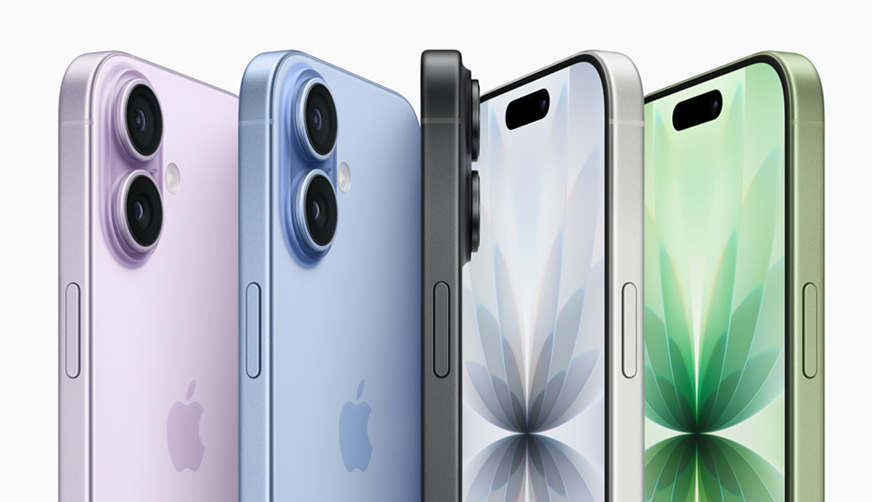
Apple is expected to face higher component expenses in 2026 due to ongoing DRAM shortages. But it appears the company plans to keep iPhone 18 pricing as stable as possible, according to well-known Apple Analyst Ming-Chi Kuo.
Apple Plans to Avoid Price Hikes for iPhone 18 Lineup
Sharing his insights on X (formerly Twitter), Apple analyst Ming-Chi Kuo said, “Apple’s current plan for 2H26 new iPhone 18 models is to avoid raising prices as much as possible—at least keep the starting price flat, which is helpful for marketing.”
Kuo explained that Apple renegotiates memory pricing with its suppliers every quarter. As a result, memory price increases are expected to kick in during the second quarter of 2026. These hikes are said to mirror the increases seen in the first quarter, during which Apple already began paying more for memory components. Estimates indicate memory prices are currently 10 to 25 percent higher than last year.
While rising memory costs are likely to affect iPhone gross margins, Apple is reportedly better positioned than most smartphone brands to manage the impact. The company can secure long-term supply deals and absorb part of the increased costs.
Kuo noted, “For most non-AI brands, even if you’re willing to pay up, there’s no guarantee you’ll get the supply. The fact that Apple can lock in a deal like this shows just how much leverage they have. Higher memory costs will hit iPhone gross margins. But Apple’s playbook is clear: use the market chaos to their advantage–secure the chips, absorb the costs, and grab more market share. They’ll make it back later on the services side.”
A few quick thoughts on Apple/iPhone memory price hikes:
1. The 1Q26 LPDDR price hikes mentioned in the news are pretty close to what I’ve heard. NAND flash increases, however, are a bit lower.
2. iPhone memory pricing is now negotiated quarterly instead of every six months, so…
— 郭明錤 (Ming-Chi Kuo) (@mingchikuo) January 27, 2026
Earnings Call May Address Memory Cost Concerns
Apple could discuss rising memory prices during its January 30 earnings call, which will cover the first fiscal quarter of 2026, spanning October to December 2025. According to Kuo, Apple will try to avoid passing these increased costs on to consumers “as much as possible,” with at least the starting price of the iPhone 18 models expected to remain unchanged.
Apple has previously absorbed higher component costs to maintain pricing stability. The base iPhone 17, for example, retained its $799 starting price. However, the iPhone 17 Pro saw a $100 price increase due to Apple introducing a new minimum storage requirement of 256GB.
Meanwhile, other components may also face shortages in the coming months, potentially adding further strain to the supply chain. LPDDR and NAND memory are currently in short supply and becoming more expensive due to strong demand from the AI sector.
In any case, there is still a lot of time before we will have a more concrete idea of how exactly Apple is planning on managing costs for the upcoming lineup.
FAQs
Q1. Will Apple increase the price of the iPhone 18 despite rising memory costs?
Answer. According to analyst Ming-Chi Kuo, Apple plans to keep iPhone 18 starting prices flat and avoid raising them as much as possible.
Q2. Why are memory costs rising for Apple in 2026?
Answer. DRAM and NAND shortages, driven by strong demand from the AI sector, have pushed memory prices up by 10–25% compared to last year.
Q3. How is Apple managing the impact of higher component costs?
Answer. Apple renegotiates memory pricing quarterly, secures long-term supply deals, absorbs part of the costs, and leverages its services business to offset margin pressures.