
Highlights
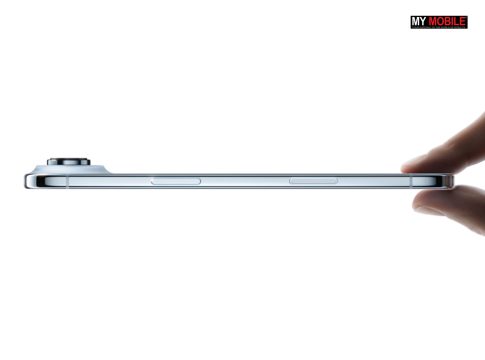
- Apple’s ultra-thin iPhone Air faced sluggish demand, leading to production cuts by Foxconn and Luxshare.
- Xiaomi, Oppo, Vivo, and others have reportedly cancelled or postponed their own ultra-thin smartphone projects.
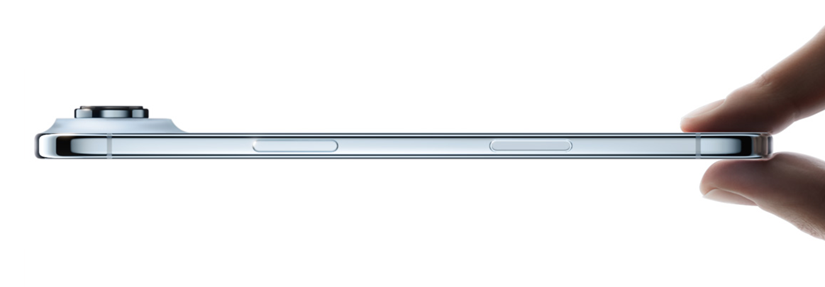
It seems the trend of ultra-slim smartphones is slowing down before it could actually take off. According to recent reports, several major Chinese smartphone makers are reportedly pausing or abandoning their ultra-thin smartphone projects after witnessing the underwhelming market response to Apple’s iPhone Air. Here’s the full story.
Are Chinese Makers Scrapping Ultra-Thin Smartphone Projects?
According to fresh reports from Asia, the disappointing performance of the iPhone Air has prompted companies like Xiaomi, Oppo, Vivo and others to rethink their strategies in this category.
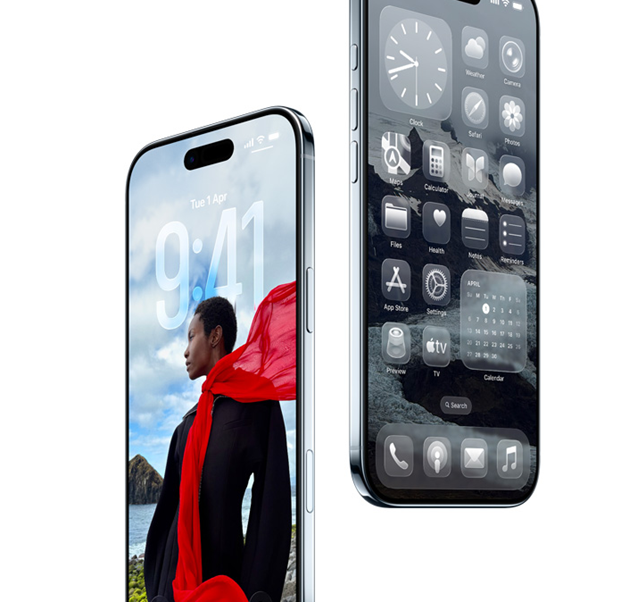
Caption – iPhone Air. (Image credit – Apple)
Since the iPhone Air’s debut in September, industry reports have highlighted sluggish sales and subsequent production cuts. Apple’s supply chain partners have also scaled back operations. Foxconn has reportedly dismantled all production lines dedicated to the iPhone Air, while Luxshare is said to have ended production by late October.
The lack of consumer interest appears to have had a ripple effect in the industry. Several competing smartphone brands that were developing their own ultra-thin “Air-style” devices have now either cancelled or postponed those plans. These companies have also begun reallocating eSIM components originally meant for these models to other product lines.
Xiaomi was reportedly working on a “true Air model” to take on Apple directly, and Vivo planned to push thinness further within its mid-range S series. Both brands have allegedly halted these initiatives, although neither has issued an official statement on the matter.
iPhone Air
Apple introduced the iPhone Air as its first major design overhaul since the iPhone X brought Face ID and an all-screen front back in 2017. To achieve a 5.6mm profile, however, Apple made notable compromises. The device features a smaller battery and a single rear camera, yet carries a premium price tag.
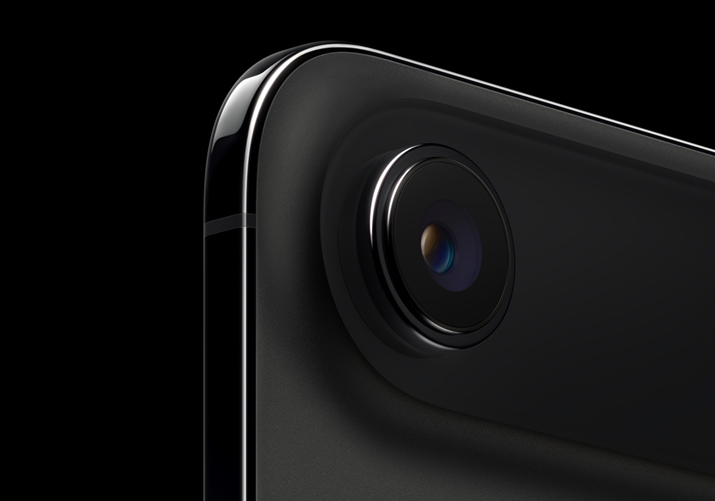
The iPhone Air at $999 has been criticised for offering less value compared to the $1,099 iPhone 17 Pro, which delivers longer battery life and a triple-camera setup. Many buyers view the Air as prioritising style over real-world functionality.
According to a report from The Information, Apple has now paused work on the next-generation iPhone Air. The company is said to be redesigning the device to improve battery life and possibly add a second rear camera.
Meanwhile, a similar trend is reportedly unfolding at Samsung. Poor sales of the ultra-thin Galaxy S25 Edge have allegedly led Samsung to stop production and even cancel the planned Galaxy S26 Edge.
FAQs
Q1. Why are Chinese smartphone makers abandoning ultra-thin phone projects?
Answer. Major brands like Xiaomi, Oppo, and Vivo are reportedly halting or postponing ultra-thin models after Apple’s iPhone Air saw weak sales and production cuts, showing limited consumer interest.
Q2. What compromises did Apple make with the iPhone Air design
Answer. To achieve a slim 5.6mm profile, Apple reduced battery size and included only a single rear camera, while still pricing the device at $999.
Q3. How has the iPhone Air’s performance affected the wider industry?
Answer. Poor sales led Foxconn and Luxshare to stop production, Apple to pause next-gen Air development, and Samsung to cancel its Galaxy S26 Edge after similar struggles with the Galaxy S25 Edge.