
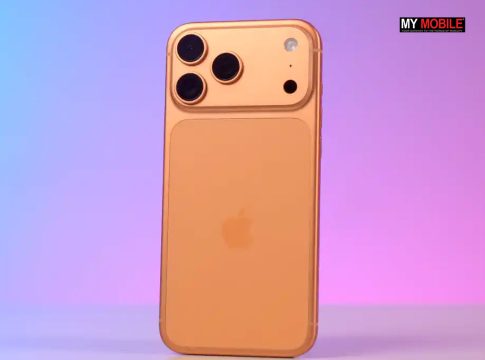
Highlights
- Apple clarified that marks seen on demo units are “material transfer” from MagSafe stands, not actual scratches.
- The iPhone 17 Pro uses aerospace-grade 7000-series aluminium for better heat dissipation, but it’s more prone to visible wear than previous titanium models.
- Apple claims scratches are normal wear and tear, citing rigorous testing and microhardness standards.
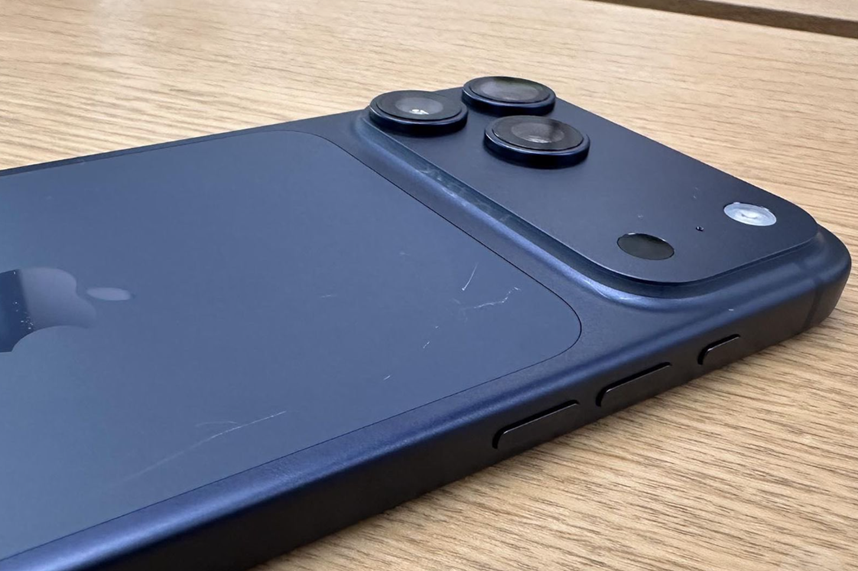
Apple has responded to complaints about scratches and imperfections on the iPhone 17 Pro and iPhone Air, especially in the darker finishes. Durability tests have shown that the camera plateau is one of the most vulnerable areas of these new flagships, sparking user concerns.
Apple’s Response
As reported by 9to5Mac, the publication reached out to Apple for clarification after users noticed visible marks on demo units displayed with MagSafe stands in some stores. Apple explained that these are not actual scratches but rather “material transfer” that can be cleaned off.
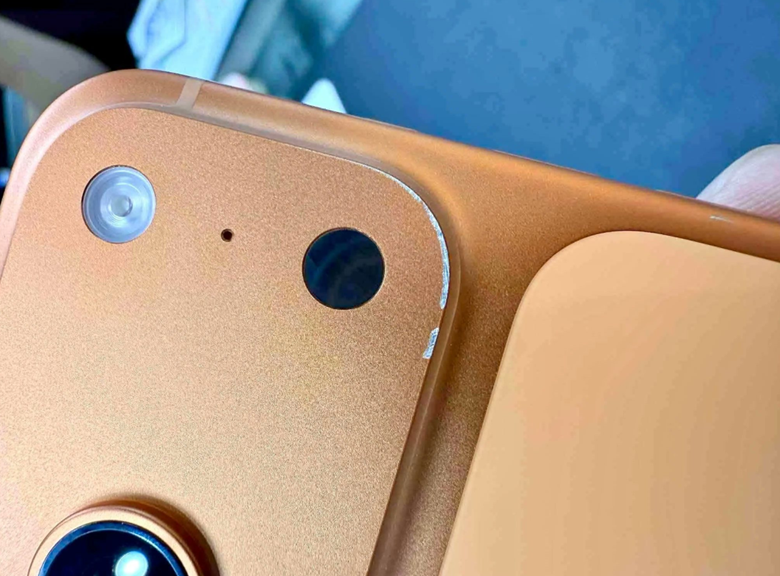
The company added that it is working to replace worn MagSafe stands in retail stores to prevent the issue.
However, Apple’s explanation regarding scratches on the camera plateau may not reassure all buyers.
The iPhone 17 Pro and iPhone 17 Pro Max use an aluminium build instead of the titanium alloy seen in earlier models. While this improves heat dissipation, it makes the devices more susceptible to visible scratches. Apple compared the edges of the camera plateau to the anodised aluminium chassis used on MacBooks, which also develops scratches over time.
According to Apple, such abrasions are “entirely normal” and part of regular wear and tear. While long-term MacBook owners may be familiar with this, customers argue that scratches appearing so quickly on premium smartphones are far from ideal.
Apple’s trillion-dollar reputation rests on delivering high-quality products and this durability concern may test that image. 9to5Mac, in its report, notes, “When Apple announced the iPhone 17 lineup, it touted that the phones use a “lightweight aerospace-grade 7000-series aluminum alloy.” The anodization layer on the phones also exceeds industry standards for microhardness. Apple emphasizes that its products undergo rigorous durability tests during development, including scratch tests. The goal is to make sure the products withstand normal, real-life use. Still, it’s clear there are some durability tradeoffs with the new design compared to the previous-gen titanium frame.”
“I’d also encourage some skepticism when you see images of scratched or damaged iPhones on social media. I’ve seen multiple posts where the damage was clearly intentional, but the person tried to pass it off as normal use. I also don’t think demo units in Apple Stores are a great gauge of durability in general, as they are handled by hundreds, if not thousands, of shoppers every day,” the report further adds.
Since the iPhone 17 series only launched last week across several markets, it may be best to wait for feedback from everyday users who put the devices through daily use over the coming weeks.
FAQs
Q1. Why are users seeing marks on iPhone 17 Pro demo units?
Answer. Apple clarified that the visible marks are “material transfer” from MagSafe stands, not actual scratches, and can be cleaned off.
Q2. What material is used in the iPhone 17 Pro and how does it affect durability?
Answer. The iPhone 17 Pro uses aerospace-grade 7000-series aluminium, which improves heat dissipation but is more prone to visible scratches than titanium.
Q3. How does Apple justify the camera plateau scratches?
Answer. Apple says abrasions on the camera plateau are “entirely normal” and comparable to wear seen on anodised aluminium MacBooks over time.