
Highlights
- iPhone 17 Pro teardown reveals more about the new vapour chamber cooling system under the A19 Pro chip.
- The battery now sits in a screw-mounted tray, making future replacements cleaner and safer.
- iFixit confirmed that the camera bump’s sharp edges are prone to scratches due to uneven anodization.
- iFixit gave the device a 7/10 repairability score, noting Apple’s release of repair manuals and improved battery safety.
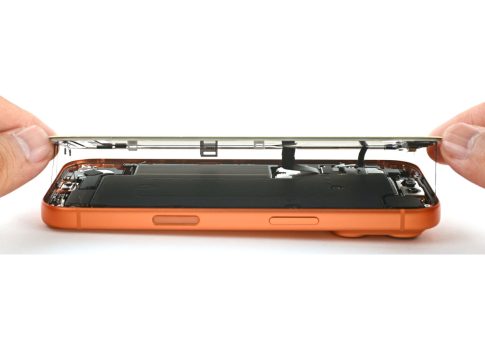
Caption – A still from iFixit’s iPhone 17 Pro teardown video. (Credit – iFixit)
iFixit has published its teardown of the iPhone 17 Pro and revealed Apple’s latest internal design choices. It gives us an inside view of the new vapour chamber cooling system, changes in battery placement and details about durability concerns dubbed “scratchgate.” Here’s a quick rundown of the teardown.
iPhone 17 Pro – What The Teardown Reveals?
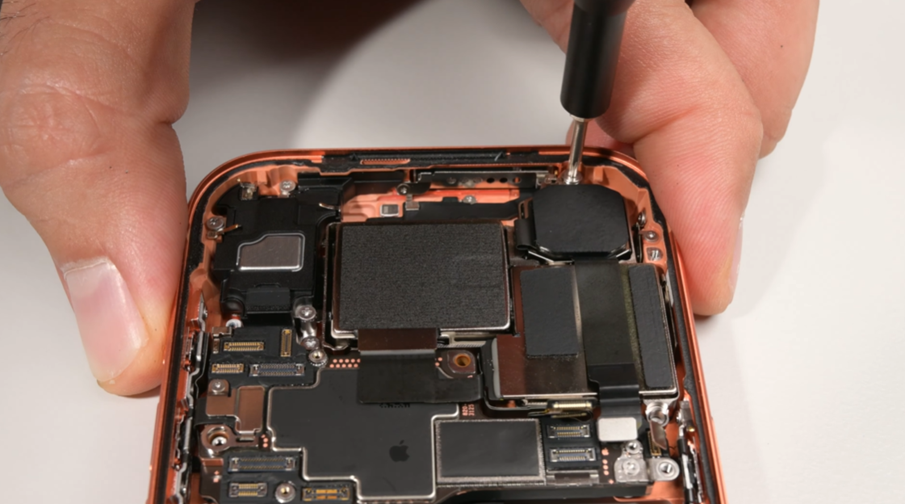
Caption – A still from iFixit’s iPhone 17 Pro teardown video. (Credit – iFixit)
Inside the iPhone 17 Pro, the A19 Pro chip is placed directly below a vapour chamber cooling system that spreads heat across the aluminium unibody frame. Unlike traditional cooling solutions, this setup uses a lattice structure between two plates. Water near the chip heats up and vaporises into steam, which then condenses back into droplets on the cooler side, circulating through the lattice for efficient heat management.
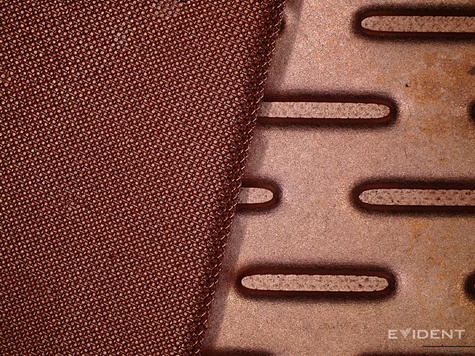
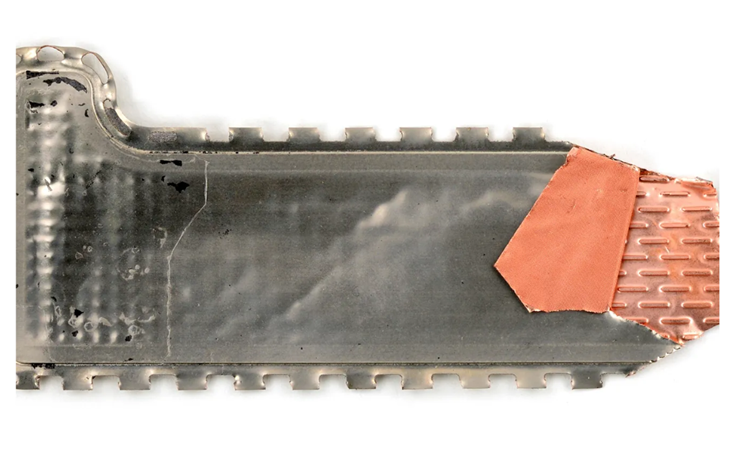
Caption – iPhone 17 Pro vapour chamber internals under the microscope. (Credit – iFixit)
iFixit compared the iPhone 17 Pro Max with the iPhone 16 Pro Max using a thermal camera. The older model reached 37.8°C and throttled under load, while the new 17 Pro Max stayed cooler at 34.8°C, maintaining performance without throttling.
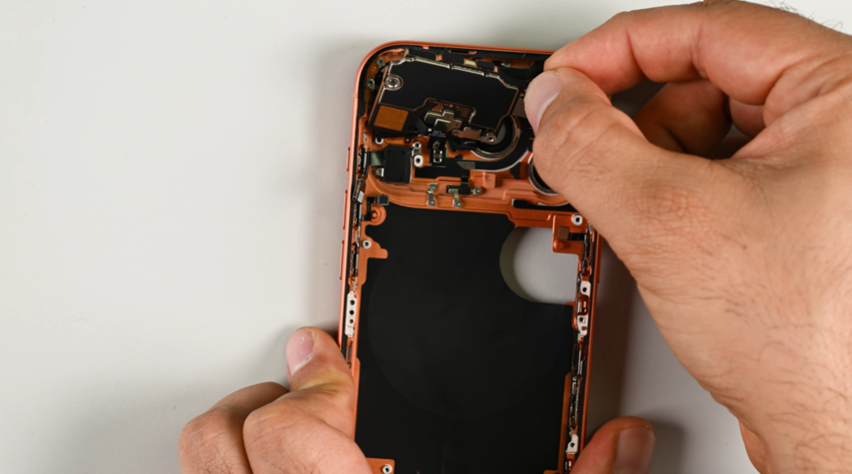
The teardown also revealed that the iPhone 17 Pro’s battery is mounted inside a battery tray, secured to the frame with Torx Plus screws instead of adhesive. iFixit noted that if Apple sells replacement batteries pre-installed in trays, battery swaps could become far simpler and cleaner than before. The battery itself is encased in metal for added safety.
Scratchgate – Are iPhone 17 Pros More Prone to Damage?
Reports of scratches and scuffs on new iPhone 17 Pro models sparked a debate online. To investigate, iFixit ran scratch tests on the phone’s aluminium frame. Results showed that the camera plateau is particularly vulnerable to scratches with damage occurring most often on the sharp edges.
According to iFixit, this issue is linked to the anodization process. They concluded that “scratchgate is real, particularly on the sharp edge of [the] camera bump, which the anodising doesn’t adhere to as evenly as across the rest of the phone.”
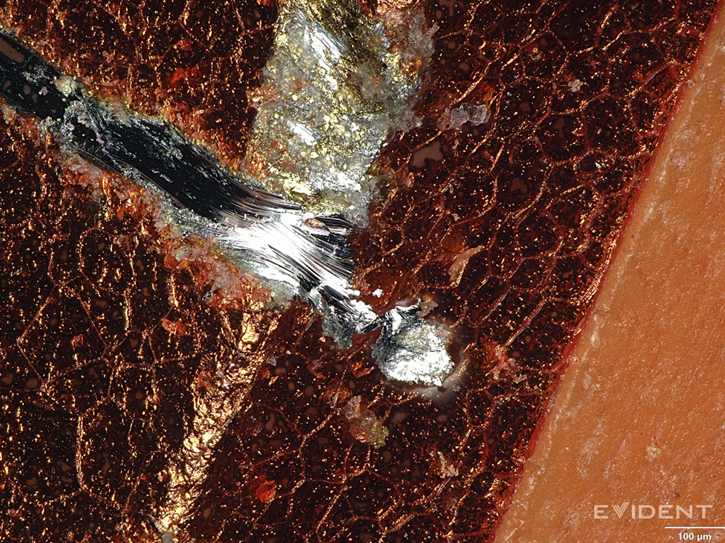
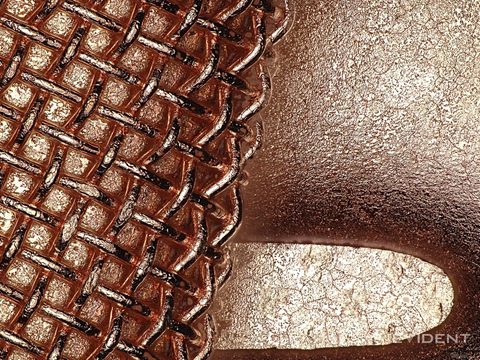
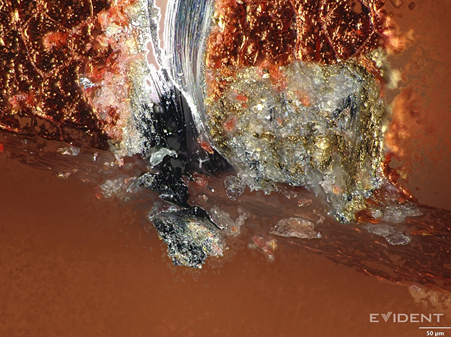
Caption – iPhone 17 Pro scratches and nicks under the microscope. (Credit – iFixit)
To dive deeper, iFixit examined the scratched areas under a microscope and consulted David Niebuhr, a mechanical engineering professor at Cal Poly. Niebuhr explained that the type of damage is known as “spalling”, where the anodised finish fails to bond as strongly on flat, sharp edges, causing colour to wear off when rubbed against hard objects like keys.
Referring to the microscope images shown above, iFixit post says, “Faced with a pick the hardness of a penny, the iPhone 17 Pro’s anodised coating chips away, revealing shiny aluminium underneath.”
Repairability Changes Compared to iPhone 16 Pro
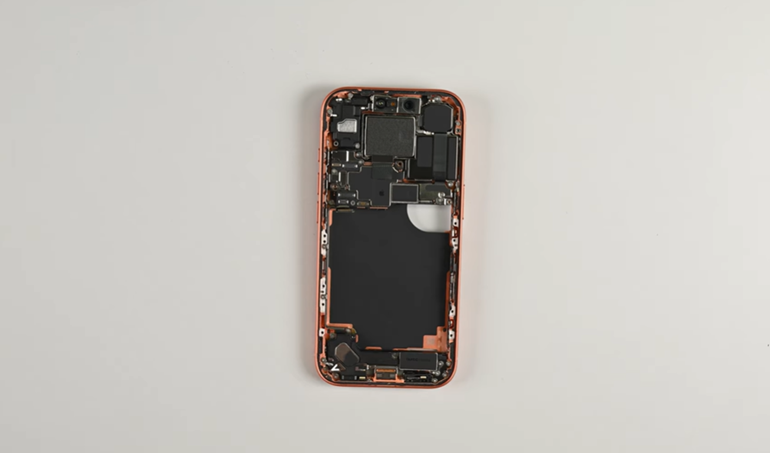

Caption – iFixit’s iPhone 17 Pro teardown video shows the internal workings of the phone. (Credit – iFixit)
Apple has also modified the repair structure of the iPhone 17 Pro. Unlike the dual-entry design of the iPhone 16 Pro, repairs are now restricted. Back-glass replacement and wireless charging assembly fixes can only be done from the rear, while replacing parts like the battery, USB-C port, or camera module requires removing the display.
The new screw-mounted battery tray makes battery replacement easier once accessed, but replacing the USB-C port alone requires removing 22 screws, which iFixit described as a tedious process.
iFixit Repairability Score
Despite being slightly less repairable than the iPhone Air, Apple has taken some steps toward serviceability, such as releasing day-one repair manuals and refining battery safety. Overall, iFixit awarded the iPhone 17 Pro a repairability score of 7 out of 10.
You can watch the full iFixit teardown video for an in-depth look at the flagship iPhone below –
FAQs
Q1. What cooling system does the iPhone 17 Pro use?
Answer. The iPhone 17 Pro features a vapour chamber cooling system placed directly above the A19 Pro chip. It uses a lattice structure to circulate steam and droplets, efficiently spreading heat across the aluminium frame and reducing thermal throttling compared to the iPhone 16 Pro Max.
Q2. Has Apple made battery replacement easier in the iPhone 17 Pro?
Answer. Yes. The battery is now housed in a screw-mounted tray secured with Torx Plus screws instead of adhesive. If Apple sells pre-installed battery trays, replacements could be cleaner and more user-friendly.
Q3. What is “scratchgate” and how does it affect the iPhone 17 Pro?
Answer. “Scratchgate” refers to the iPhone 17 Pro’s vulnerability to scratches, especially on the sharp edges of the camera bump. iFixit found that the anodised finish doesn’t adhere evenly to these areas, leading to damage known as “spalling” when rubbed against hard surfaces.
Q4. How repairable is the iPhone 17 Pro compared to previous models?
Answer. While battery access has improved, other repairs like USB-C port replacement require removing 22 screws. The phone lacks the dual-entry design of the iPhone 16 Pro, making some fixes more tedious. iFixit gave it a repairability score of 7 out of 10.