
Highlights
- The EU mandates user-replaceable smartphone batteries by 2027 to boost sustainability.
- New rules aim to reduce e-waste and significantly extend device lifespans.
- Users will benefit from lower repair costs and easier battery replacement.
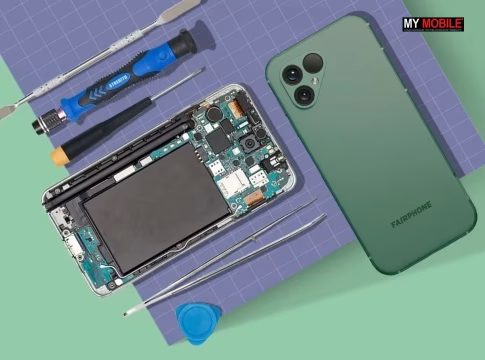
Every smartphone sold in the European Union must have user-replaceable batteries by 2027. This mandate is part of the wider EU Batteries Regulation (2023/1542). The new regulation aims to make devices more sustainable, easier to repair, and better for consumers.
Once the rules come into effect, all smartphones sold in the EU must allow users to easily remove and replace their batteries. This is a big change from the sealed designs most phones have today.
What the New EU Rules Say
The new rule says that smartphone batteries must be easy for users to remove and replace, without the need for special tools or technical skills.
These rules will start on February 18, 2027, giving manufacturers time to redesign their devices.
Additionally, the EU mandates:
- Easy battery removal using basic or commercially available tools
- Availability of replacement batteries for several years
- Clear instructions for safe replacement and disposal
- Introduction of battery labels and digital “battery passports” for transparency
The rules will cover not only smartphones, but also tablets and other portable electronics sold in the EU.
Why the EU Is Introducing These Rules
The main goal is to reduce electronic waste and help devices last longer. Many smartphones are thrown away because their batteries wear out, not because the whole device stops working.
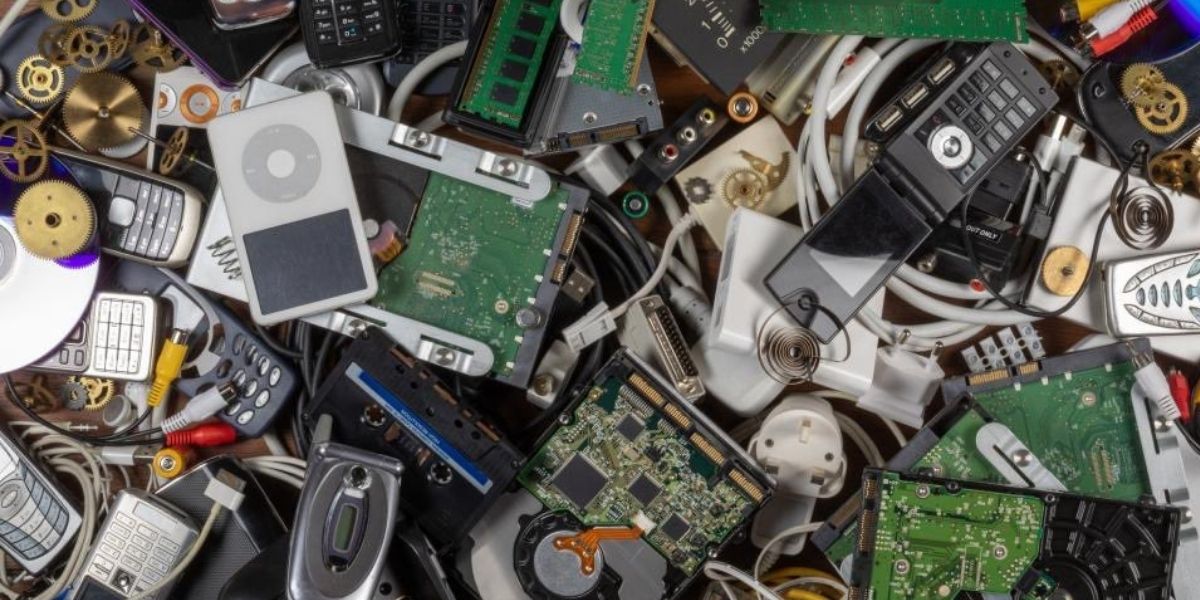
By enabling easy battery replacement, the EU aims to:
- Promote sustainability and recycling
- Reduce the environmental impact of e-waste
- Encourage a circular economy in electronics
The regulation also includes targets for battery recycling and the recovery of materials such as lithium and cobalt.
Benefits for Users
This change could make a big difference for consumers. People won’t have to depend on costly service centres to replace their batteries. Instead, they can do it themselves for less money and keep their devices working longer.
Other key benefits include:
- Longer smartphone lifespan
- Reduced repair costs
- Greater control over device maintenance
- Improved transparency through battery health labels
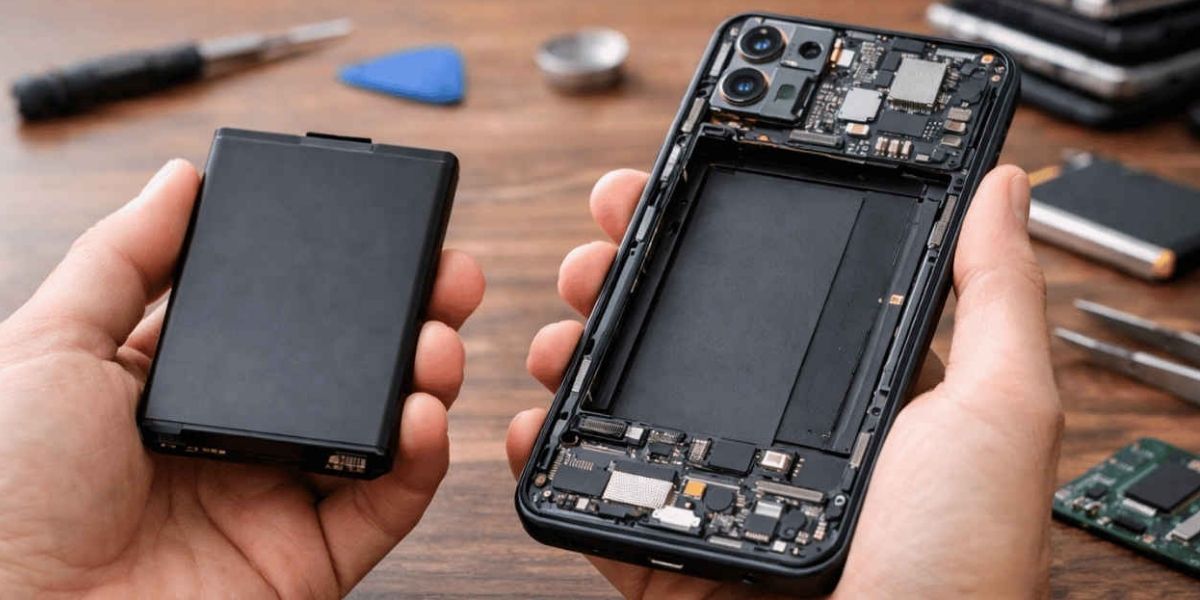
In real terms, this could save users hundreds of euros over the life of their device.
Industry Impact and Challenges
Although these changes help users, they create challenges for companies like Apple and Samsung, which now use sealed designs for looks and water resistance. These companies will have to redesign their phones and rethink how they build them to meet the new rules.
But this change could also encourage new ideas in modular design and more sustainable ways of making devices.
The EU’s 2027 battery rule is likely to change the global smartphone market. By focusing on repairability and sustainability, the regulation gives users more control and encourages the industry to innovate responsibly.
FAQs
Q 1. What is the new EU rule for smartphone batteries?
The EU will require all smartphones sold in the region to have user-replaceable batteries by 2027.
Q 2. When will the EU battery regulation come into effect?
The rule is set to be implemented from February 18, 2027.
Q 3. Why is the EU introducing this regulation?
The aim is to reduce electronic waste, promote sustainability, and extend the lifespan of devices.
Q 4. How will users benefit from this rule?
Users will be able to easily replace batteries themselves, reducing repair costs and increasing device longevity.
Q 5. Will this rule affect all smartphone brands?
Yes, all manufacturers selling smartphones in the EU will need to comply with the regulation.
Also Read –
https://www.mymobileindia.com/iphone-16-teardown-reveals-easier-repairability-and-new-battery-tech/