Highlights
- The iPhone 20 Pro is rumoured to come with a new main camera sensor and a 17nm image signal processor (ISP).
- Reports suggest Samsung’s Texas-made three-layer stacked sensor could use LOFIC technology for a better dynamic range.
- Apple is likely to release the iPhone 20 Pro series next year, when the iPhone turns 20.
Apple is reportedly planning a major camera upgrade for its 20th anniversary flagship, the iPhone 20 Pro, expected to launch in 2027. As per the tipster Ice Universe, the device will feature a brand-new main camera sensor paired with a new 17nm image signal processor (ISP). Apple is skipping the iPhone 19 name to celebrate 20 years since the first iPhone arrived in 2007, with plans to deliver major hardware upgrades that will set a new standard for mobile photography.
iPhone 20 Pro Main Camera Sensor Upgrade Tipped
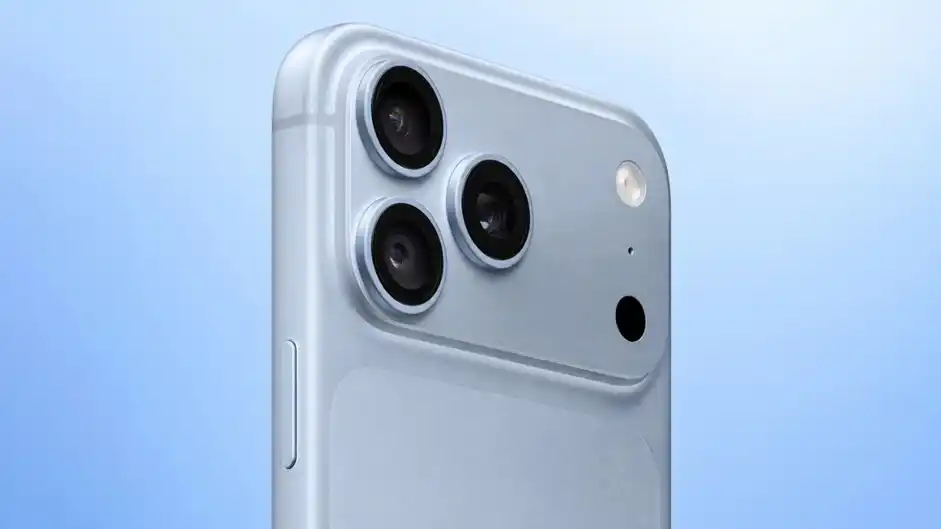
Early rumours regarding Apple’s 2027 flagship suggest a major leap in camera chip design. While most smartphone upgrades include bigger lenses or higher pixel counts, Apple is reportedly upgrading the underlying 17nm logic circuitry inside the iPhone 20 Pro’s main camera sensor to handle image data faster and more efficiently than ever before.
New Main Camera Sensor Rumoured for iPhone 20 Pro
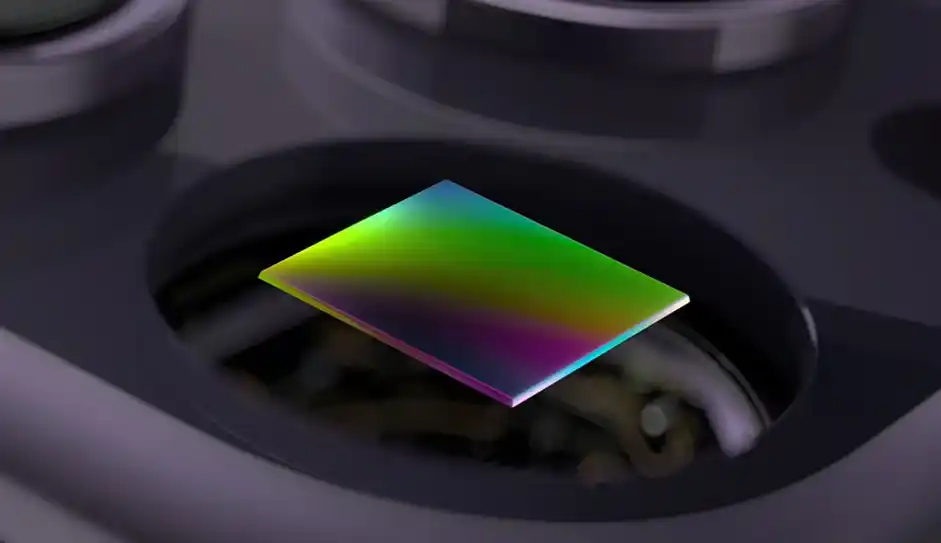
iPhone 20 Pro could feature 17nm image processing chipset
Leaks are already hinting at Apple’s plans for its 20th anniversary iPhone. The iPhone 20 Pro’s primary camera will feature a refined stacked sensor architecture to push mobile photography forward. With modern stacked sensors, the pixels that capture light are separate from the logic layer that processes the image data.
Shrinking that logic circuitry down to 17nm could deliver faster readout speeds, better battery efficiency and sharper image processing for the iPhone 20 Pro. While details are currently under wraps, reports point towards Samsung’s 17nm Low Power Value (17LPV) process, or Apple’s partnership with Samsung in Austin, Texas, alongside separate rumours of custom LOFIC sensor technology for better dynamic range.
Why Sensor Size Matters for Smartphone Photography
If you want to take high-res photos with a phone, it matters a lot how big the camera sensor is. The company says the bigger sensor is like a bigger bucket for light, which means brighter, cleaner images in dark environments and the natural background blur and fine detail often missed by smaller sensors.
Potential Samsung Manufacturing and LOFIC Tech
The 17nm sensor leak aligns with earlier reports that Samsung is manufacturing a new three-layer stacked image sensor for Apple at its Austin, Texas, plant. Reports further claim that Apple is working on a LOFIC (Lateral Overflow Integration Capacitor) sensor, a technology that helps cameras capture bright highlights and dark shadows at the exact same time without blowing out details.
Previous Reports on Larger iPhone Sensors
This is not the first time that Apple is upgrading its camera hardware. Two earlier reports had suggested a larger sensor would be coming in 2027 or 2028, but follow-up updates have indicated that 2028 is the more likely date and that the larger sensor might only apply to the telephoto lens.
Megapixels vs Low-Light Quality
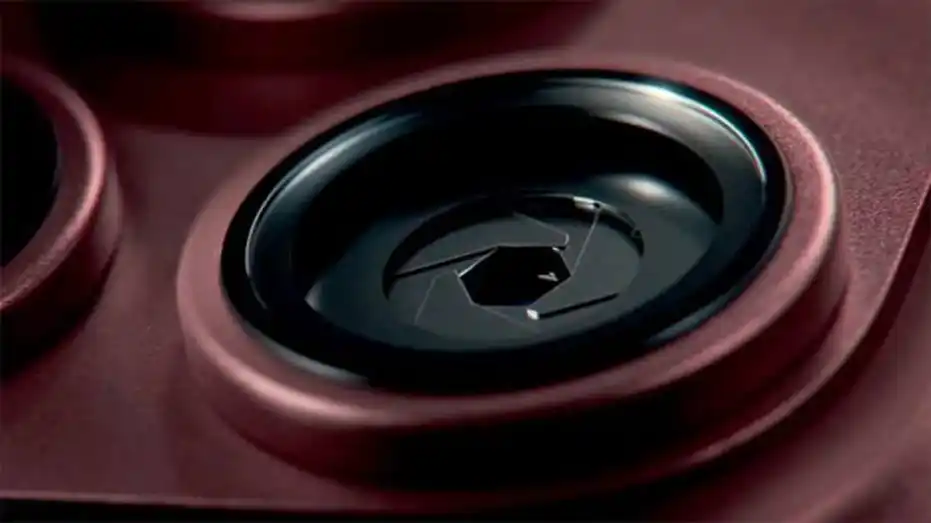
Upgrading a camera is not always about getting more megapixels. Many photographers expect Apple keeps the main camera resolution the same and instead focus on sensor quality, as putting 200MP on a small sensor can actually harm low-light performance.
Radical Quad-Curved, Cutout-Free Redesign
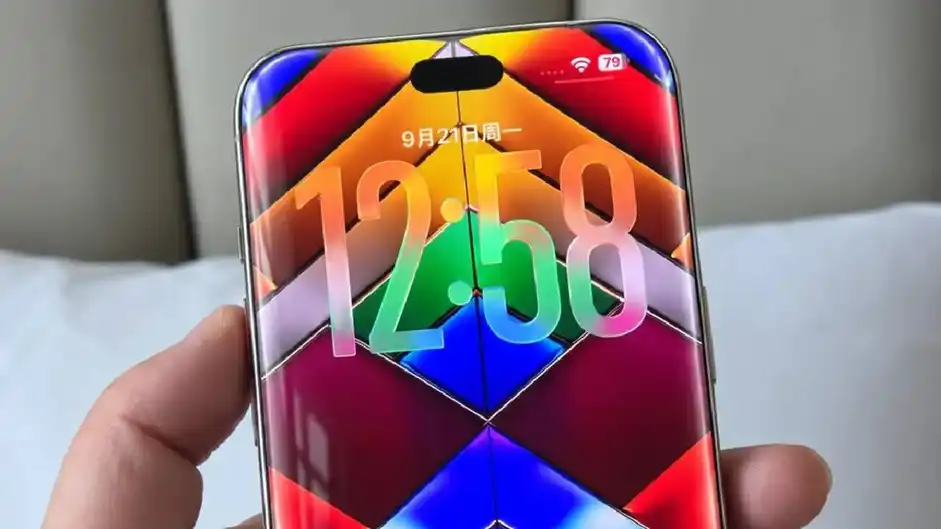
Image by Ice Universe
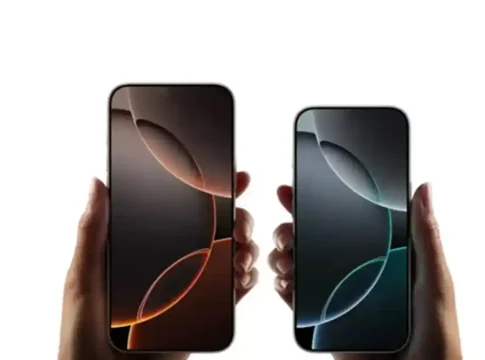
The camera is not the only thing getting a major makeover. Apple is reportedly skipping the iPhone 19 moniker to celebrate the iPhone’s 20th anniversary and unveiling a bold new look with the iPhone 20 Pro. Leaked glass covers suggest the phone could sport a quad-curved OLED display that curves around all four edges while also removing display cutouts entirely.
iPhone 20 Pro: What to Expect?
Expected to be unveiled at Apple’s usual September event next fall, the iPhone 20 Pro is set to be one of the most significant updates in years. Apple prepares to overhaul both how the iPhone looks and how it shoots, between a next-generation 17nm stacked camera sensor and a bezel-free, quad-curved display.