
Highlights
- Apple delayed the standard iPhone 18 until early next year rather than September 2026.
- Samsung is making iPhone 18 sensor chips in Texas as part of Apple’s $100 billion US manufacturing plan.
- By partnering with Samsung, Apple ended Sony’s decade-long exclusivity.
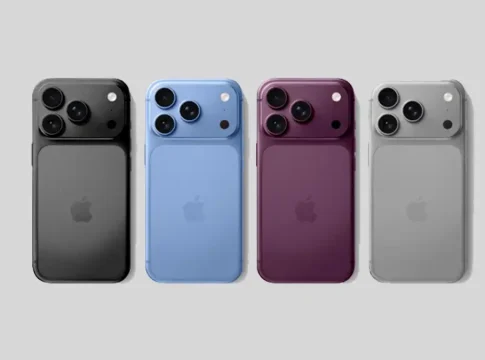
Apple has reportedly delayed the launch of its standard iPhone 18, skipping the base model while rolling out the higher-end iPhone 18 Pro and iPhone Duo as planned. While many claims ongoing chip shortages and rising memory costs for the holdup at first, new reports are pointing to rival tech giant Samsung.
As per the reports, Apple has pushed back the start of the base model’s production, as Samsung needed more time to produce enough of the new camera sensors for the device. Samsung didn’t start prototyping the high-performance sensors until the spring and mass production in the fall, forcing Apple to wait until enough inventory could be built up as part of its larger effort to increase US manufacturing.
The iPhone 18 Launch Delay Explained
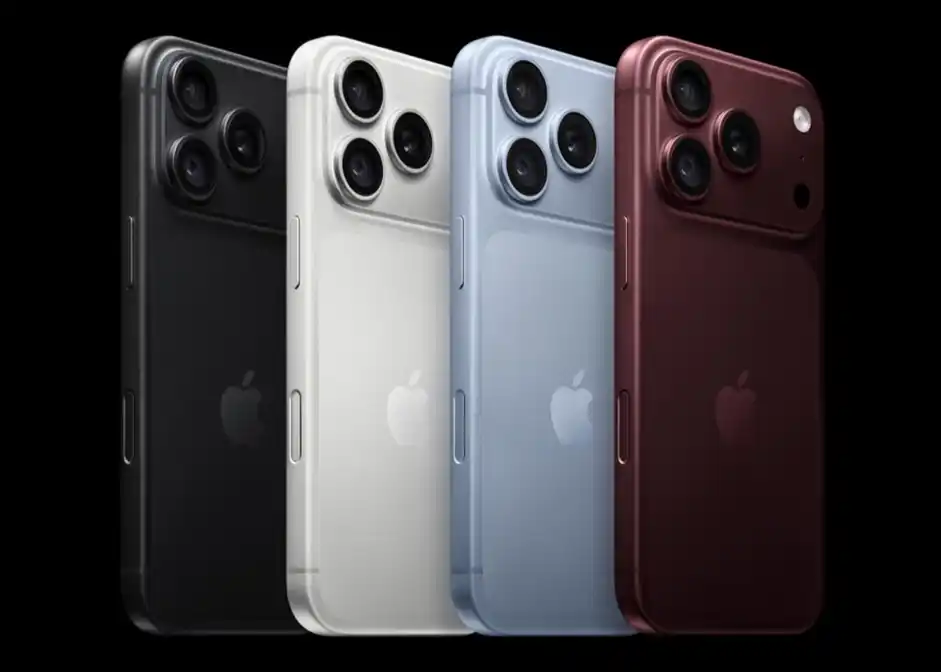
Apple has had a pattern for years of releasing its entire new iPhone lineup every September. That changed this year with the standard iPhone 18 notably missing from the fall event. Apple didn’t roll out all the models together but pushed the base version several months to spring 2027. Memory chip shortages were thought to be the biggest hurdle initially, but supply chain delays around new camera hardware is starting to become a critical part of the delay.
Is Samsung the Reason Behind Apple’s iPhone 18 Launch Delay?
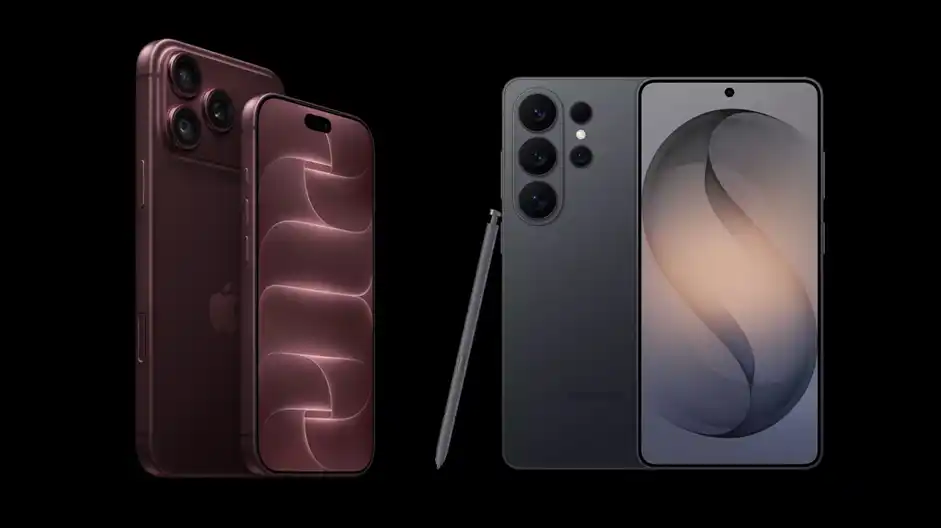
Samsung is believed to be one of the main reasons for the delay. Higher memory prices and tight supplies of chips played a large role, but a report from the Japanese publication Semiconportal points directly to Apple’s new deal to use Samsung’s camera sensor. Samsung is making brand new high-performance image sensors for Apple for the first time, and Apple had to delay the release of the base model to give Samsung enough time to make millions of units.
Apple’s Unusual Split Launch Strategy
For more than a decade, Apple has released its entire core iPhone lineup at once, every September. Apple broke with that tradition with a staggered, split-launch approach in 2026. The more expensive iPhone 18 Pro models arrive as usual in the autumn, but the Standard iPhone 18 has been delayed to spring 2027, around March, with models such as the iPhone 18e and the iPhone Air 2. The split schedule will ease pressure on Apple’s factories and give suppliers a few extra months to prepare for the high-volume base model.
Samsung’s Camera Sensors as a Secondary Bottleneck
Besides tight memory chip supplies, camera sensors have become a second bottleneck for the standard iPhone 18. Apple has reportedly ordered 48MP or 200MP camera sensors from Samsung for the device. But because the deal is a new partnership for camera hardware, it takes time to ramp up production to the massive scale Apple needs. There is a temporary supply gap that prevented a fall 2026 launch.
Apple’s US Manufacturing Push and End of Sony’s Exclusivity
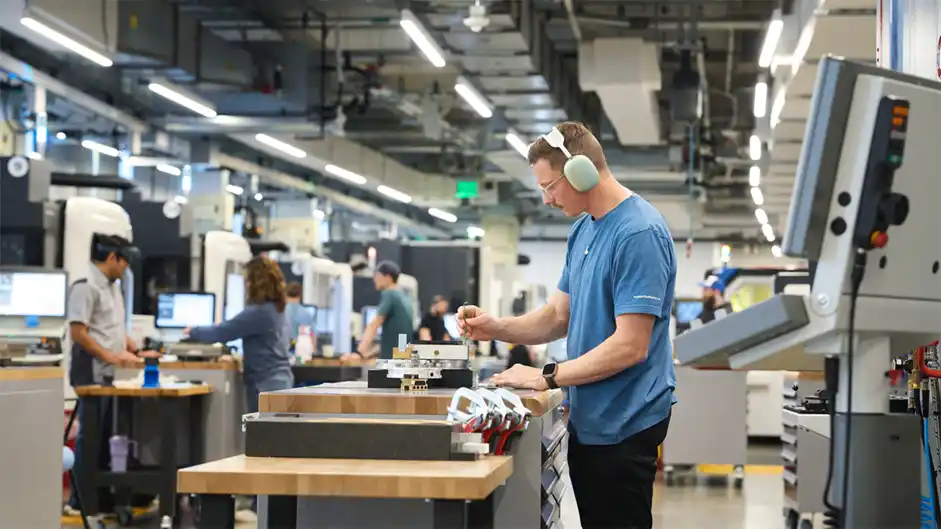
For more than a decade, Sony had an exclusive lock on supplying camera sensors for the iPhone. In November 2026, Sony’s management officially confirmed the end of its exclusivity, as Apple started to rely on multiple suppliers to remain cost-competitive. This change is also directly related to Apple’s $600 billion investment in the U.S. and its American Manufacturing Program (AMP). For the initiative, Apple turned to Samsung to develop cutting-edge camera sensors and chips manufactured in the United States at Samsung’s semiconductor factory in Austin, Texas.
Samsung’s Camera Sensor Timeline
The delay is due to the scheduling at Samsung’s factory lines. In August 2025, Apple announced an expansion of its U.S. manufacturing partnership with Samsung’s Austin, Texas facility. Samsung started prototyping and developing Apple’s new high-performance camera sensors in Spring 2026. The sensors began mass production in fall 2026, too late to have enough phones ready for a September 2026 launch. Now, the standard iPhone 18 is expected to ship with a full stockpile in Spring of 2027 after months of mass production.
Impact on Apple
Waiting until 2027 means Apple misses out on holiday sales for its entry-level flagship, but the long-term payoff is huge. Adding Samsung alongside Sony, Apple breaks a decade-long monopoly and gets much stronger leverage to keep component prices low. It also helps Apple meet its U.S. manufacturing goals and protect its supply chain from becoming over-reliant on a single partner. If this split fall-and-spring release goes smoothly, it could even become Apple’s new normal going forward.