
Highlights
- The Tensor G5 chip in the Pixel 10 shows major progress in heat control, resolving overheating issues.
- While slightly better than the Pixel 9, the Pixel 10 struggles in benchmarks and demanding games.
- Tensor G5 excels in sustained performance and AI features.

Google has positioned its Tensor chipsets as unique alternatives to Qualcomm’s Snapdragon processors. They claimed to be prioritising AI-driven experiences over raw speed. With the new Pixel 10 series, the company claims that the Tensor G5 delivers its “biggest leap in performance yet.”
Early reviews, however, paint a mixed picture. While the chip runs cooler than before, benchmark results still leave much to be desired. Here’s what early indicates.
Tensor Improvements
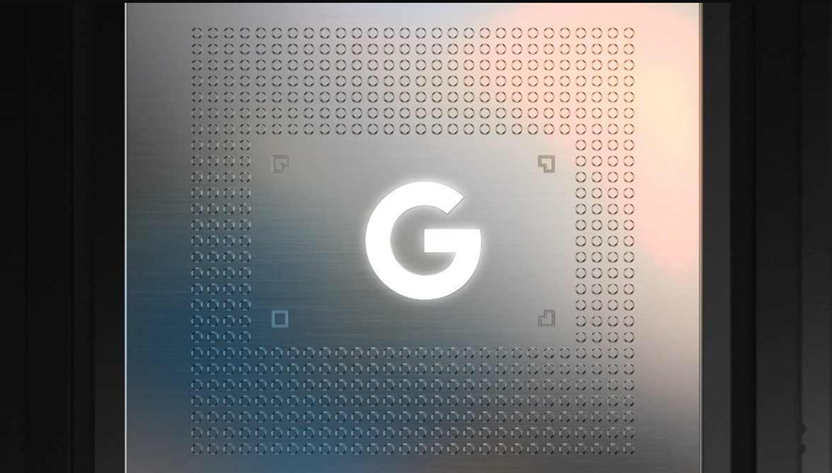
Since its debut, the Tensor lineup has focused less on topping benchmark charts and more on delivering Google’s AI vision. Over the years, issues such as poor cellular reception and sluggish performance were gradually fixed.
By the Pixel 8 generation, overheating became the main concern, one that continued into the Pixel 9 series. With the Pixel 10, though, Google seems to have finally addressed the problem.
9to5Google’s Damien Wilde noted in his review, “I haven’t noticed any overheating, and the phone doesn’t get particularly hot to the touch, save a few times during setup—basically like every phone in existence. I’m hoping that cooling and temperatures remain key focus points for the SoC’s future development, as heat and power management haven’t been Tensor’s greatest strength.”
Real-World Usage Vs Benchmarks
In day-to-day use, the Pixel 10 series doesn’t show any dramatic jump compared to the Pixel 9. Regular tasks and gaming feel largely the same, and this is echoed in benchmark scores. Reviews from GSMArena and ShortCircuit confirm that while the Pixel 10 performs slightly better than its predecessor, it still falls far short of Snapdragon-powered flagships. Android Authority also found similar results, adding that the performance gap between the standard Pixel 10 and the Pro models has narrowed compared to previous years.
When it comes to demanding games like Genshin Impact, the Pixel 10 struggles to maintain a stable 60fps at the highest settings. GPU benchmarks also reveal that Tensor G5’s graphics performance lags well behind competitors.
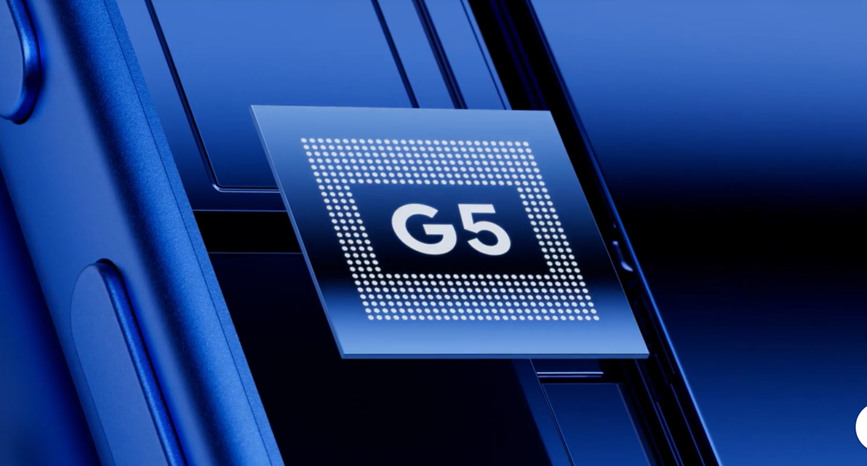
Where Tensor G5 does stand out is in sustained performance. Benchmarks show that the Pixel 10 maintains higher stability, which means less performance drop-off over time than even powerful rivals like the Galaxy S25 Ultra. While peak numbers aren’t impressive, the chip manages to hold on to its performance for longer periods without worsening heat issues. Of course, actual results vary depending on the type of game or app in use.
Final Conclusion Based on Early Pixel 10 Review
The Pixel 10’s Tensor G5 is a notable step forward in managing thermals and offering consistent performance, but it still can’t compete head-to-head with Snapdragon flagships in raw power or graphics. For users who prioritise AI features and stable performance over benchmark bragging rights, the Pixel 10 remains a compelling choice.
FAQs
Q1. How does the Tensor G5 in Pixel 10 improve over previous generations?
Answer. The Tensor G5 shows major improvements in thermal management, resolving overheating issues seen in the Pixel 8 and Pixel 9 series. It runs cooler and maintains stable performance over time.
Q2. Does the Pixel 10 outperform Snapdragon-powered phones?
Answer. No, while the Pixel 10 performs slightly better than its predecessor, it still trails behind Snapdragon flagships in raw speed and graphics benchmarks.
Q3. Is the Pixel 10 suitable for gaming?
Answer. The Pixel 10 struggles to maintain stable 60fps in demanding games like Genshin Impact at high settings. Its GPU performance lags behind rivals, though sustained performance is more consistent.
Also Read –
